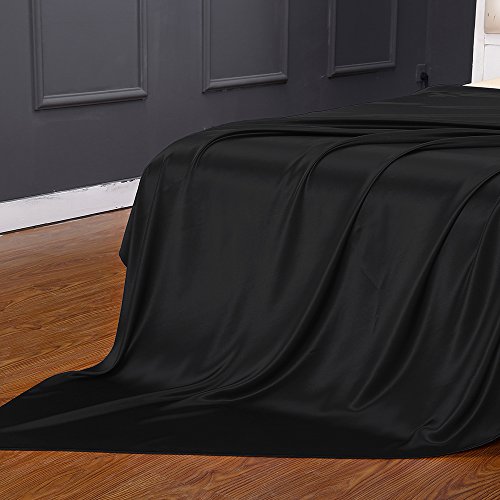
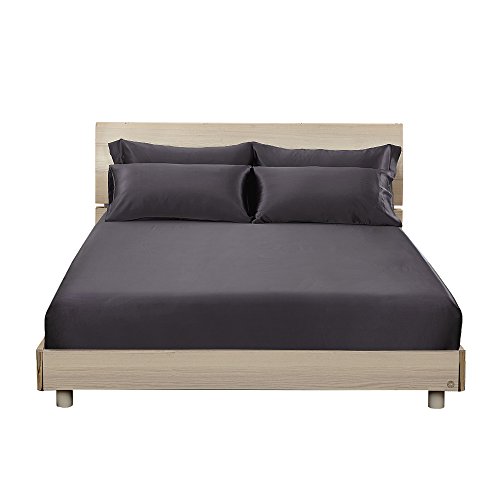
Silk Bedding
Silk, one of the oldest fibers known to man, originated in China. The History of Silk is both enchanting and illustrious. According to well-established Chinese legend, Empress Hsi Ling Shi, wife of Emperor Huang Ti (also called the Yellow Emperor), was the first person to accidentally discover silk as weavable fiber. One day, when the empress was sipping tea under a Mulberry tree, a cocoon fell into her cup and began to unravel. The empress became so enamored with the shimmering threads, she discovered their source, the Bombyx mori silkworm found in the white mulberry.
Demand for this exotic fabric eventually created the lucrative trade route now known as the Silk Road, taking silk westward and bringing gold, silver and wools to the East.
Silk is a natural protein fiber made from the cocoons of silkworms. Cultivation of the silkworm (technically, not a worm but a moth pupa) is known as sericulture. Although many insects produce silk, only the filament produced by Bombyx mori, the mulberry silk moth and a few others in the same genus, is used by the commercial silk industry.
more»
Silk bedding with their luxurious softness and lustrous beauty can make the experience a total pleasure. There are benefits of silk that other fabrics, whether natural or man-made, simply cannot match. It is an expensive fabric that is considered the ultimate in luxury and smoothness. Nonetheless silk as a fabric in beddings could also benefit us in a number of ways:
- Silk is a 100% natural fabric, so it is a really sustainable product.
- It is free of any chemicals and contains only natural substances. Silk fiber is similar to human hair. It is 97% protein, 3% fat and wax, it has 18 amino acids, help moisture penetrate the skin (aid in absorption) and aid in skin healing. So, silk bedding could be very helpful in cases of eczema, sensitive Skin, allergic rash, skin inflammations (psoriasis), shingles, post-chemotherapy sensitive skin, post- surgery sutures e.tc..
- Silk is the most hypoallergenic of all fabrics, an ideal sleeping solution for allergy sufferers. It doesn’t attract dust mites and resist dust, fungus, mold and some other allergens.
- Silk helps decrease skin’s loss of moisture and because of this promotes rejuvenation of the skin, prevents to some degree effects of aging and relieves dry, flaky skin conditions by locking moisture in and ensuring it stays on our skin.
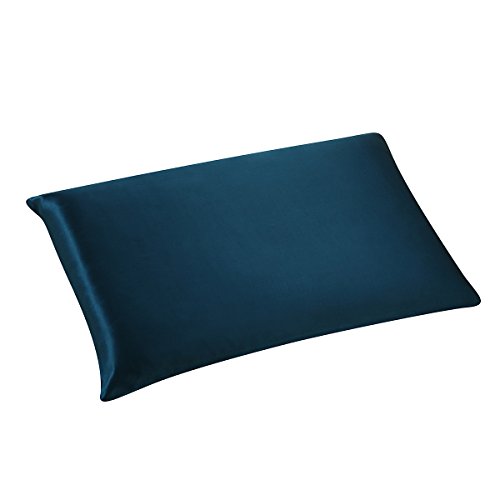
- A silk pillowcase helps keep hair moisturized and free of tangles. On silk hair will not bunch and knot but will glide over the surface. It is also, helpful to the central nervous system to calm. So, some people especially ladies use only the silk pillowcases instead of the sheets to have at least these benefits of silk.
- Silk as a bedding fabric has incredibly smooth surface. It is extremely soft and pleasant to touch. It doesn’t irritate even a sensitive skin. It caresses your body in softness. Sleeping on a silk sheet and a silk pillowcase, you wake up feeling like you slept on a cloud.
- It is an all-climate fabric. Silk is warm and cozy in winter and comfortably cool when temperatures rise. It perfectly adjusts to the body temperature and provides thermal balance.
- Because of its natural protein structure, Silk is highly absorbent and dries fast. It absorbs moisture up to 30% of its own weight and remains dry to the touch. At the same time silk thread simply increases in size, and good air circulation promotes rapid evaporation of excessive moisture. So, silk fabric absorbs perspiration while letting the skin breathe.
- It is well known for its durability. A fiber of silk that is of the same diameter as a fiber of steel is said to be stronger than steel. So, it is a very strong natural fiber in spite of its delicate appearance that is really durable and retains its beauty for years. Furthermore, silk beddings will not deteriorate over time because of its natural fungal repellency and because chemicals are not used in processing.
- Silk doesn’t create static electricity easily.
- Silk fiber is naturally elastic and can stretch up to 20% without breaking.
There are two main types available: Tussah Silk and Cultivated Mulberry Silk, which is by far the highest quality. The latter produces smooth, fine-textured bed linen that is extremely durable, whilst beddings made with tussah silk has a shorter shelf life and a coarser texture.
When buying silk bedding, you should factor in momme(mm) weight, the traditional silk measurement that indicates quality. As a guide, the higher the momme weight, the better the quality with most good-quality bedding ranging between 19-25 mommes.
All the above advantages of Silk have rightly earned silk its reputation as the Queen of Fabrics.
less»